How to Build Healthier Eating Habits
Healthy eating doesn’t require an overnight overhaul. Cheryl shares simple ways to add more fiber and plants to familiar meals, keep convenient options on hand, and build one habit you can repeat. Start with a small change that fits your life, without rigid food rules or pressure to get every meal right.
Start With One Small Change
I have learned that lasting change does not happen all at once. If you are wondering how to build healthy eating habits, begin with one action that feels realistic this week.
You do not need a perfect kitchen, detailed meal planning, or a complete overnight overhaul. Add fruit to breakfast, pack a balanced snack, or include fiber-rich starchy carbohydrates such as oats or brown rice in one familiar meal.
A balanced diet develops through consistent choices, not rigid food rules. Consistency means returning to a helpful choice more often, including after a busy or stressful day.
Choose a Habit You Can Repeat
Use a simple cue and action for habit formation: after making your morning coffee, put a piece of fruit in your lunch bag. Keep your first habit specific, affordable, and easy enough to repeat during workdays, travel, or retirement routines.
This practical, honest, whole-person guidance favors steady improvement over extreme eating plans. Simple food preparation can gradually improve diet quality while helping a healthy diet fit real life.
Build More Fiber and Plants Into Everyday Meals
Fruits, vegetables, whole grains, beans, lentils, and chickpeas bring fiber and variety to meals. Rather than chasing a perfect plate every time, I encourage you to explore different colors and foods across the week.
Try oatmeal with berries, a grain bowl with chickpeas, vegetable soup with whole-grain toast, or lentils stirred into pasta sauce. The World Health Organization notes the health benefits of diets high in whole grains, vegetables, fruit, legumes, and nuts.
If high-fiber foods are new to your routine, increase fiber gradually over two to four weeks and stay hydrated as you make the change. Individual fluid needs vary.
Make Plants the Easy Option
Keep frozen vegetables, canned no-salt-added beans, bagged salad, and ready-to-eat fruit where you can see and reach them. These convenient foods reduce preparation time without requiring complicated recipes.
Add one plant-based protein, such as beans or chickpeas, to a familiar meal instead of replacing every favorite food. For example, add beans to tacos or lentils to soup.
Choose Varied Proteins and Unsaturated Fats
Protein choices can include fish, poultry, eggs, yogurt, tofu, beans, lentils, and chickpeas. Work with lean protein and plant-based options that suit your preferences, budget, access, and cultural traditions.
Olive oil, nuts, seeds, avocado, and some fish provide unsaturated fats. WHO advises that fat consumed by people age 2 and older should be primarily unsaturated fatty acids, while limiting saturated and trans fats.
Treat food swaps as flexible options rather than judgments. You might use olive oil in vinaigrette, sprinkle nuts or seeds on oatmeal, or fill some tacos with beans.
Use Simple Meal Combinations
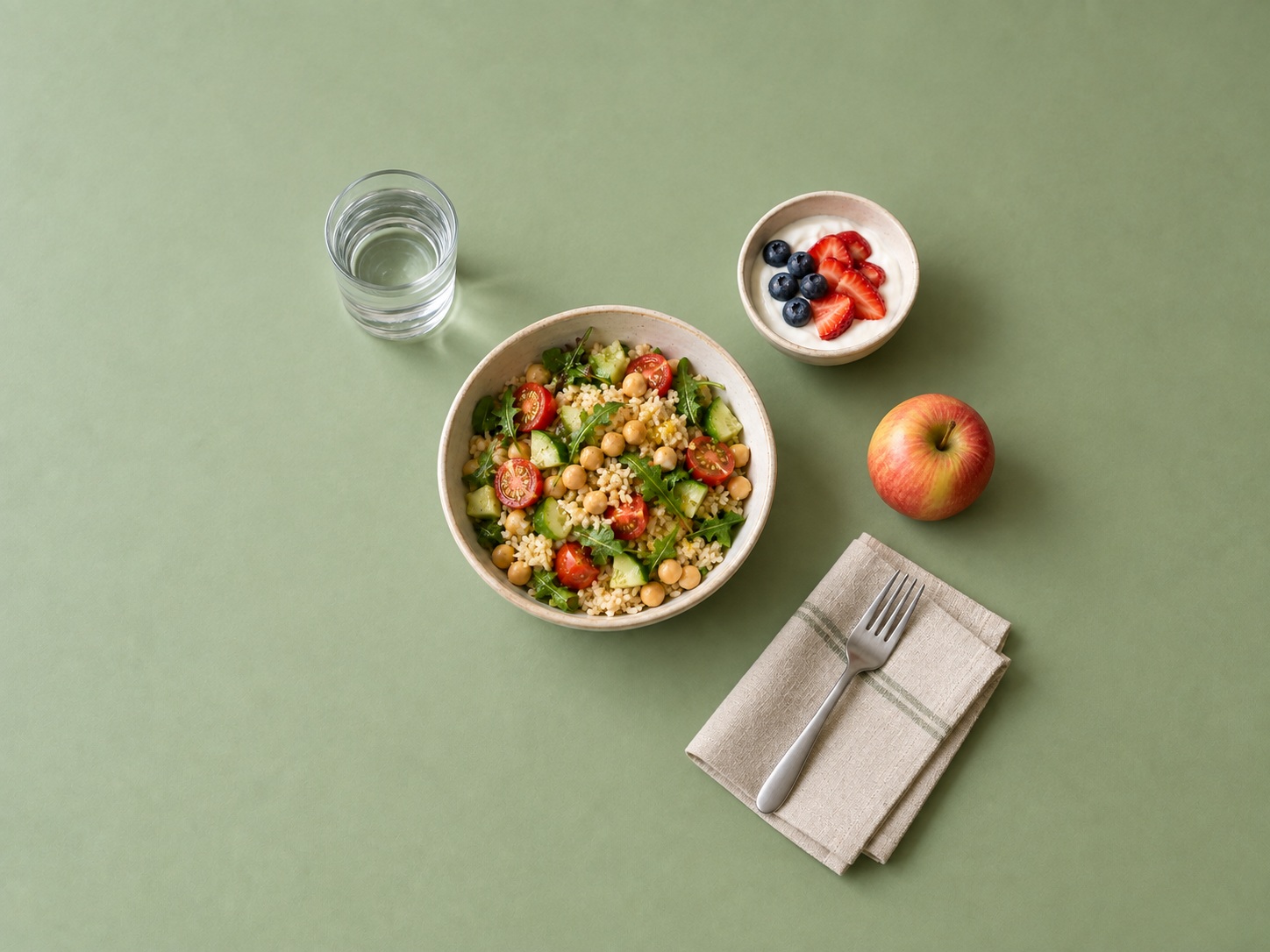
Build meals with four flexible parts: a vegetable or other plant food, a protein, a fiber-rich carbohydrate, and a flavorful fat. This formula provides structure without requiring you to count or track every ingredient.
Examples include salmon with brown rice and vegetables or lentil soup with a side salad and seeds. Adjust the portions and ingredients around your appetite and any guidance from a qualified healthcare professional.
Ease Back on Sodium and Added Sugar
In the United States, most dietary sodium comes from commercially processed and restaurant foods. Packaged foods, sauces, cereals, soups, and snacks can contribute substantial added sugars.
Instead of eliminating everything at once, compare similar products and make gradual changes. Use herbs, spices, garlic, ginger, vinegar, or citrus to build flavor without relying only on salt.
Choose satisfying food swaps, such as fruit with yogurt instead of a frequently sweetened snack or sparkling water instead of a sugary beverage. The goal is not to label foods as acceptable or unacceptable.
It is to notice which choices shape your everyday pattern.
Adjust Your Taste Over Time
Reduce sweeteners and salty condiments a little at a time. A gradual approach gives your taste preferences time to adjust and may be easier to maintain.
An occasional sweet or salty food can still fit into your routine. Pay more attention to what you choose most days than to one snack or celebration meal.
Choose Water More Often
I recommend treating water as a practical default beverage rather than prescribing one amount for everyone. Keep a reusable bottle at your desk, in the car, or with you during errands so water is easier to choose than sugary drinks.
For variety, try sparkling water with citrus, unsweetened tea, or water flavored with cucumber or berries. Fluid needs can change with activity, climate, medications, and health conditions, so ask a qualified healthcare professional about your particular needs.
Water is one part of a holistic approach, not the whole answer. Wellness also involves social, spiritual, intellectual, financial, physical, cultural, and occupational health.
Make the Better Choice Convenient
Fill a pitcher or reusable bottle before your workday begins. Then connect refills to routines you already follow, such as returning from a meeting, preparing lunch, or leaving for an afternoon errand.
Convenience matters because busy days leave less room for extra decisions. A visible, ready-to-use bottle makes your intended choice simpler.
Read Labels and Shop With a Short Plan
A Nutrition Facts label helps you compare similar products rather than judge one food in isolation. Serving size shows the basis for the numbers, while fiber, sodium, saturated fat, and added sugars offer useful comparison points.
The U.S. Food and Drug Administration says to first look at serving size and the number of servings per container, because one package may contain more than one serving. Your actual intake may differ from the amount shown.
Create a short recurring grocery list covering several easy breakfasts, lunches, dinners, and snacks. Frozen produce, canned beans, and pre-cut vegetables are practical choices when time for food preparation is limited.
Try a Two-Minute Label Check
Compare serving sizes first so you are evaluating equivalent amounts. When products are otherwise similar, look for more fiber and less sodium, saturated fat, or added sugar.
Labels provide information, not a reason for guilt or perfectionism. Use them to identify the option that best fits your usual meals and priorities.
What Is One Simple Way to Start Building Healthier Eating Habits?
Add one colorful fruit or vegetable to one meal each day and practice that action for a week. One repeatable step is generally easier to maintain than changing your entire routine overnight.
Create a Routine That Works in Real Life
A small amount of preparation can remove decisions from busy days. Wash fruit, portion nuts, cook one grain, and choose two easy proteins for the next few days.
Repeat breakfasts, lunches, or dinners you enjoy instead of constantly searching for new recipes. Familiar meals often make shopping easier, reduce waste, and support consistency.
Stressful weeks will still happen, and one unplanned meal does not erase a supportive routine. This week, I invite you to add one fruit or vegetable to one meal each day.
Keep the Next Step Gentle
Food choices can support wellness, but holistic wellness is bigger than food alone. My nine-step wellness framework, based on my personal reset journey, considers the whole person and the many parts of life that influence daily habits.
If you want a clear, self-paced resource designed as an accessible next step, download Cheryl Gladney’s free Reset Your Health & Wellness Guide. Read it at your own pace, choose one action, and see what shifts.